IFS Therapist Near Me in New Rochelle, NY

Life in the Big Apple is fast-paced, vibrant, and full of opportunity. However, your circumstances and experiences may make it difficult to fully embrace everything life has to offer. You may feel stuck or be struggling to overcome a painful experience that continues to hold you back. You may have friction in your relationships that leaves you feeling misunderstood and frustrated. Even if you feel alone and isolated, healing is possible, and the right support can make a dramatic impact.
One of my specialties is Internal Family Systems Therapy (IFS). This therapy approach is based on the idea that we are not one single, fixed self. Instead, we are made up of multiple "parts,” and each part has its own perspective, feelings, and specific job to do. When we experience internal conflict, IFS helps us understand which parts are involved and how each one is trying to help. In our work together, we will focus on understanding these different parts and using deepened self-awareness to foster greater compassion with yourself and others. As a bilingual therapist, I offer sessions in both English and Spanish so you can communicate in the language you are most comfortable with.
What Is Internal Family Systems (IFS) Therapy?
Internal Family Systems, or IFS for short, is a non-pathologizing therapy approach.
In a nutshell, it’s based on the idea that we are not one single, fixed self. Instead, we are made up of multiple "parts." Each part has its own perspective, feelings, and job to do. Some common examples are critic, protector, people-pleaser, or high-functioning parent or professional.
When we experience internal conflict, IFS helps us understand which parts are involved and how each one is trying to help. This makes it easier to treat ourselves and others with more compassion.
Because we are never just one part, and no one part defines us.

How IFS Helps Individuals And Families Who Have Suffered Trauma
IFS doesn’t see people as good or bad. It looks at a person’s behavior. A person who has experienced trauma, for example, may act in a certain way: overreacting, shutting down, or avoiding closeness.
These behaviors are coming from younger parts of themselves that are trying to protect them. Even if these strategies are counterproductive now.
Getting to know these parts and understanding how they're trying to help lessens internal conflict and emotional intensity.
How IFS Supports Individuals With Identity Issues Or On A Journey Of Self-Discovery
Hispanic individuals are naturally diverse. We grow up navigating different identities, cultures, and environments all at once.
The IFS approach naturally embraces this diversity because it doesn’t see a person as having one fixed identity.
Instead, it makes space for different parts of ourselves and others to exist side-by-side.
Looking at people as made up of parts can be used with adults, children, and people from all backgrounds, since it's easy to understand and put into practice.
How IFS Helps Heal Generational Trauma in Teens and Adults
Family systems therapy helps us accept the diversity within ourselves and others.
This doesn't mean excusing harmful or hurtful behavior. For example, a parent who yelled a lot at you when you were a child isn't excused for that.
But understanding why that happened gives us enough emotional distance to respond differently today.

How Can You Know If IFS Is Right For You?
You can try it and see.
If it's not the right fit, we can always use a different approach instead.
IFS is one of my favorite tools, but it's not the only one I use. Please explore my About Page for a better understanding of my approach, specialty and methodology.
How I Use IFS For Family Problems As A Latina Therapist Specialized In Marriage And Family Therapy
Instead of expecting a family (or a person) to act one certain way, IFS makes room for different parts of who we are to coexist.
In practice, this means family conflict doesn't have to be about one person being wrong and another being right. Instead, we can look at how parts (on both sides) are trying to avoid situations that feel unsafe or scary.
This shift helps lower defensiveness and opens the door to a new kind of conversation.
As someone who grew up navigating two languages and two cultures myself, this way of working feels authentic to how I see family and community.
Frequently Asked Questions
Do you offer in-person therapy in New York City?
1
Currently, therapy sessions for clients in New York City are conducted online. This virtual approach offers greater flexibility, making it easier to integrate therapy into your busy schedule.
Do you work with busy professionals and understand the pressures of living in The City That Never Sleeps?
2
Yes. Many of the people I work with balance demanding careers and very full lives. I understand how stress, long hours, and limited time for self-care can shape daily life.
If you’re ready to take the next step toward support and healing, I invite you to reach out today. I would be honored to walk alongside you on your journey toward greater peace, clarity, and well-being.
3
How do I get started?
Learn About My Specialties
-

Adult Therapy in Spanish and English
-
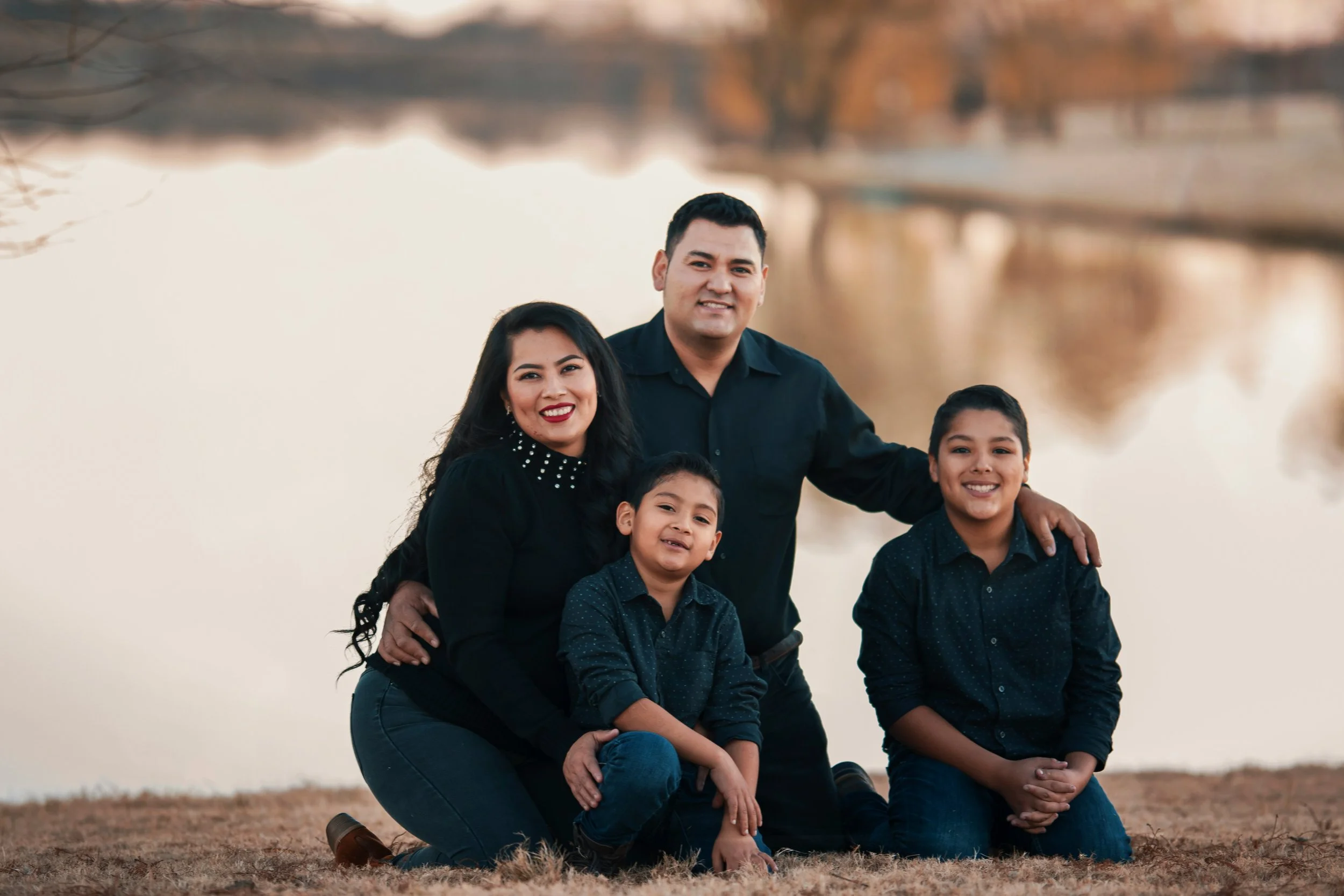
Bilingual family therapy for Hispanic and Latino families
-

Teen therapy for Hispanic and Latino teens